

Gutter and Downpipe Replacement
Gutter and downpipes are essential in directing rainwater away. This prevents damage from water and also protects your roof. It also enhances the appearance of the home.
Regular inspections and cleaning will allow you to spot issues quickly and address them promptly. Repair My Windows And Doors will save money at the end of the day.
Cost
Guttering is a critical component of your home, shielding it from erosion and water damage. Gutters and downpipes divert water away from your house and prevent it from accumulating around the foundation of the home or other structural elements. If these systems become damaged or blocked they must be replaced as soon as you can to avoid costly repairs.
The longevity and safety of your home is dependent on the materials you select for your downpipes and gutters. Metal choices like aluminium and galvanised steel offer strength and durability, while plastic choices such as PVC and vinyl offer flexibility and affordability. These materials also require regular maintenance to prevent corrosion and fading.
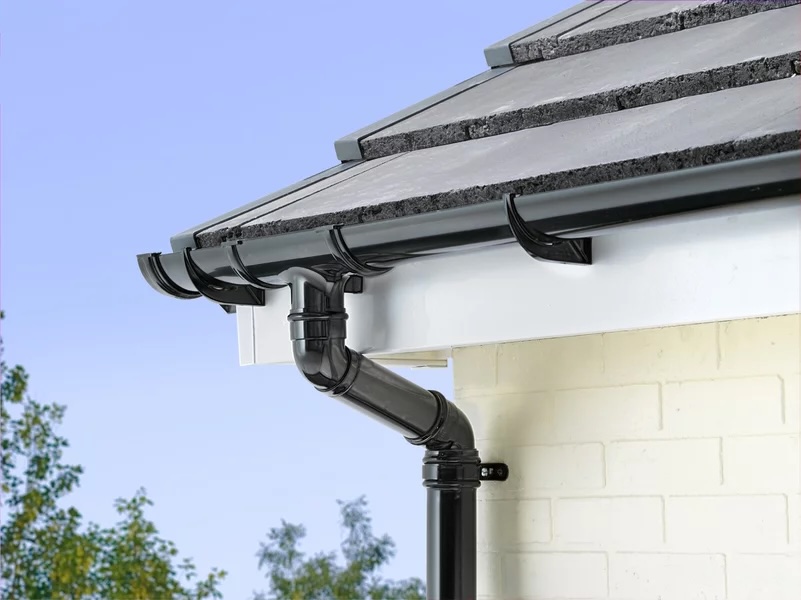
The cost of guttering and downpipes is often determined by the length of the system as well as whether it requires additional components to ensure proper function. For instance an rainwater head could help reduce the need for gutter cleaning and clogging by preventing debris from entering the downpipes. This device can also improve drainage by removing blockages in the downpipes and reduce the amount of water that collects under the guttering.
Another aspect that affects the cost of guttering and downpipes is the process of installing. The complexity of the structure of your roof and landscaping around your house can impact the cost of labor. If the guttering is installed improperly, it could lead to leaks, mould growth and even rot. A licensed roof plumber will make sure that the standards of the industry are met and the task is done correctly the first time.
Guttering and pipes come in an enormous range of colors. The rule of thumb is to match the colour of the downpipe to the trim colour if they run along it, and to the siding colour when they are placed flush against it. However some homeowners are drawn to particulars and like to mix and match the downpipe and guttering colours. This allows them to create a style that is unique and personal to their home.
Materials
The kind of downpipe and gutter material you select will depend on a variety of factors such as your budget, climate, and design. For example, if you live in a snowy area you'll require a gutter system that can handle the heavy weight of snow and ice. If your house is near water, you'll need to select gutters that are resistant to corrosion and long-lasting.
You can find gutters in various materials, including aluminum, galvanized steel, and vinyl. However, aluminum is the most well-known because of its low cost and lightweight properties. It is also available in a variety colors and can easily be cut into various shapes. Aluminum gutters are also resistant to rust and come with a warranty of 50 years from the manufacturer.
Gutter systems are made up of gutter hangers and downspouts. They also have elbows, connectors and end caps. You'll also require sealant and screws to put in the gutters. Gutter hangers are attached to the fascia boards, while downspouts and elbows connect gutter sections together. Gutter end caps seal the ends of downspouts to stop water leakage.
Downspouts are vertical pipes that draw water from the gutters, and then discharge it away from the house. The downspouts you install should slope downwards to prevent water from accumulating around the foundation of your house which could cause soil erosion or damage to the structure.
While downspouts are an important part of your gutter system however, they can be a challenge to install correctly. For instance, if your downspouts aren't positioned sufficiently far from the foundation, they could cause the growth of mold and water in the basement. It is best to hire a professional who will make sure that your downspouts have the correct slope and are properly placed.
Copper gutters are a different option. They add elegance to your home and require minimal maintenance. They're durable and long-lasting, and can be plated to match your current paint color. However, the expense of copper gutters is higher than other materials. They can also require regular maintenance including cleaning inspections for leaks and cracks, and regular cleaning. Professional gutter replacement services can help you decide which kind of gutters and downpipes is the best for your home.
Installation
Gutters and downpipes play a crucial function in directing rainwater away from your home, minimising the chance of water damage. However, with time and exposure to the elements, guttering can wear down, and it's important to replace them. The best gutters are constructed of durable materials, like aluminium or steel, and can last for decades if they are properly maintained. You can install them yourself, or hire an expert to install them for you. It is recommended to work with a reputable gutter company that will assure their work and offer warranties.
To prevent clogging, you should clean your gutters thoroughly prior to installing new ones. Also, you should inspect your gutters to determine whether there are any damaged sections or if they need to be replaced. Also, keep in mind that the gutters should be sloped so that rainwater is removed from the home. This will help prevent water damage to your house's foundation and landscape.
Once you've cleaned the old guttering, you are able to prepare it for installation. Make sure you have the right tools and that you follow the directions for the kind of downpipes or gutters. You can purchase a complete kit at an improvement store or purchase it online. You should also consider hiring an expert to do the job, especially if you're not comfortable working on a ladder or don't have the safety equipment.
You should mark the position of your downspouts on the exterior walls of your house. Consider the number of corners and the outside and inside corners to determine the number of downspouts are required. The wall's height should be measured to determine the length each gutter section should be. Also, take into account the number of elbows each downspout needs.
Once you've decided on the number of elbows and gutter sections you need, cut them using the tin snips of a duckbill. When constructing the gutter, be sure to leave a gap of four inches between each piece. Also, cut a notch on the front edge of each section of gutter to match the edge of the piece that connects it. Then, apply gutter sealant along the overlapping seams to create a watertight seal.
Maintenance
Protecting your home from unpredictable Australian weather is among the most important tasks a homeowner can undertake and two of its unnoticed heroes - the gutter and downpipe are vital for ensuring the longevity of your roof, the preservation of your garden and foundation integrity. They channel rainwater, melting snow, and ice away from your home. This helps prevent expensive water damage, and also prevents mold, rot and pest problems.
The good aspect is that your downpipes and gutters can last for a long time if they're properly cared for, and regular cleaning and inspection will help ensure your gutters are in good condition. However, over time and over time, exposure to elements, even the strongest guttering materials can wear down and deteriorate It's essential to recognise when it's time to consider a replacement.
There are a variety of indicators that your gutters should be replaced. They include visible cracks and splits corrosion, peeling paint, a uneven or sagging appearance, and an insufficient drainage (water marks below the gutter indicate leaks or overflow).
Another aspect to be considered is that the new gutters should be perfectly matched with the existing downpipes in order to function effectively. Mismatched components can cause issues like the inability to flow water, or overflow and clogging.
The best gutter and downpipes are constructed from an extremely durable material like aluminium, and are fitted to the fascia boards using gutter hangers that secure them to the house. They should be equipped with downpipe covers to keep debris, such as leaves from getting into the gutters, and they should have a slope to ensure that water is directed to the downpipes.
Accessories such as downspout diversters, leaf catchers, and rainwater heads can enhance the appearance of gutters and downpipes. Gutter guards are available for both metal and wood gutters. They provide a barrier that keeps pests and debris out of the guttering system, keeping your home safe from infestations and preserving its value. Gutter guards can be easily installed, and are an effective and cost-effective option for many homeowners.